
Fall—specifically late August through October—is the best time for bat exclusion in Maryland because the state’s bat maternity season (roughly May through August) legally prohibits exclusion work while pups are too young to fly. Once maternity season ends, bats can safely leave on their own through one-way devices, and KP Wildlife Control can seal entry points before winter without trapping any bats inside.
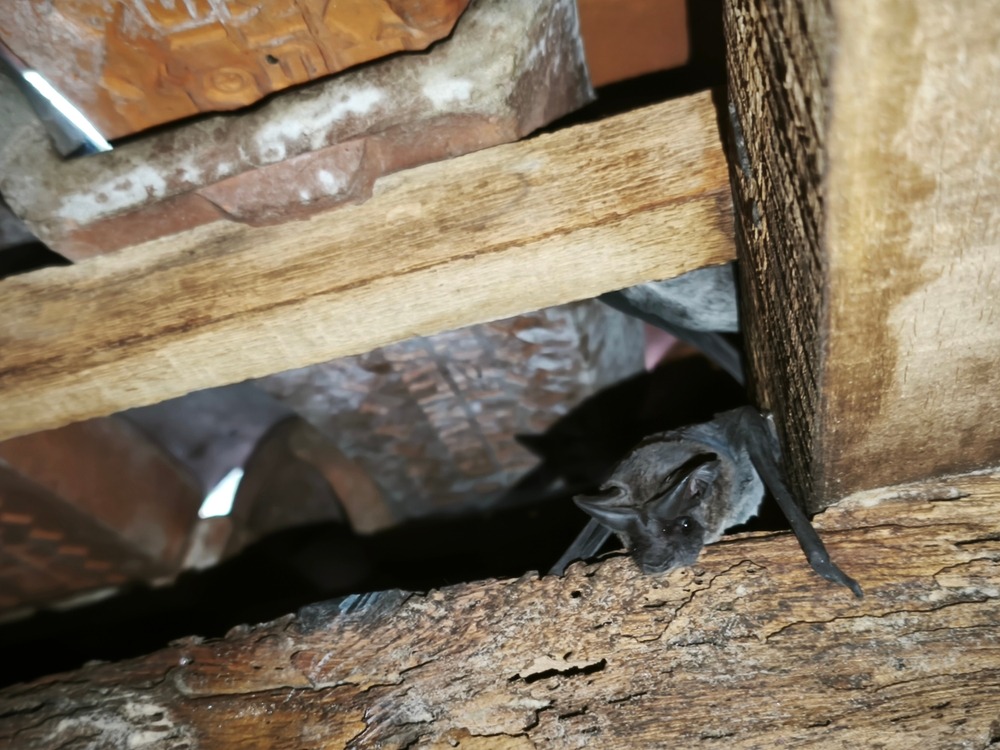
That scratching sound in your attic at dusk isn’t your imagination. If you’ve noticed small droppings near your eaves, a faint musky odor, or bats slipping out from under your roofline as the sun sets, you likely have a colony roosting in your home. It’s a common issue across Maryland, especially in older homes with gaps around soffits, chimneys, and roof vents. But before you reach for a ladder and a can of spray foam, there’s something important to understand: timing matters more than almost anything else when it comes to bat removal.
Maryland has strict rules about when bat exclusion can legally take place, and getting that timing wrong can mean trapping baby bats inside your walls—or facing penalties for violating state wildlife protections. This is why fall has become the gold standard for professional bat exclusion across the state, and why KP Wildlife Control schedules so many of its bat jobs during these cooler months.
Why Does Maryland Restrict Bat Exclusion During Maternity Season?
Bats are a protected species in Maryland, and for good reason. They’re one of nature’s most effective pest control systems, consuming thousands of mosquitoes and crop-damaging insects every night. To protect vulnerable bat populations, Maryland enforces a maternity season restriction that typically runs from May through August.
During this window, female bats give birth to a single pup and roost in maternity colonies while the young are too small to fly. If exclusion devices are installed during this period, pups can become trapped inside a structure, separated from their mothers, leading to inhumane outcomes and, often, a far worse problem: dead bats decomposing inside your walls or attic.
This restriction isn’t just a best practice. It reflects how seriously Maryland takes humane wildlife management, and it’s a standard that KP Wildlife Control follows closely on every bat job across the state.
Why Is Fall the Optimal Window for Bat Exclusion in Maryland?
Once maternity season ends in late August, the pups have matured enough to fly and forage alongside the adult colony. This is the turning point that makes fall exclusion both effective and humane.
Here’s what makes late August through October the ideal window:
- No pups left behind. By this point, young bats have matured and can exit the roost under their own power, so one-way exclusion devices work as intended.
- Bats haven’t entered hibernation yet. Many Maryland bat species begin seeking hibernation sites as temperatures drop in November and December. Excluding bats before they settle into winter roosting behavior prevents them from becoming trapped indoors for the season.
- Entry points can be sealed before winter. Cooler fall weather drives bats—and other wildlife—to seek warm, sheltered spaces. Sealing entry points in autumn closes the door before winter nesting season ramps up.
- It avoids the coldest and hottest extremes. Fall offers manageable working conditions for inspection, exclusion device installation, and repair work on rooflines and siding.
Choose fall exclusion if your goal is a clean, humane resolution before winter. Waiting until late fall or early winter narrows the window and increases the risk that bats will already be in deep hibernation, which complicates humane removal.
What Does Professional Bat Exclusion Involve?
Bat exclusion is different from trapping or poisoning used for other nuisance wildlife. It’s a humane process built entirely around letting bats leave on their own and then preventing their return. A typical KP Wildlife Control bat exclusion project includes:
- A thorough inspection. Technicians examine the attic, roofline, soffits, chimney, and siding to identify every active entry point, not just the obvious ones.
- Installation of one-way exclusion devices. These devices allow bats to exit at dusk to feed but prevent them from re-entering the structure.
- A monitoring period. The colony is given time to fully vacate before any permanent sealing begins, ensuring no bats are trapped inside.
- Sealing and repairs. Once the structure is confirmed empty, KP Wildlife Control seals gaps, repairs damaged vents or soffits, and reinforces vulnerable entry points to prevent future intrusions. Explore our exclusions and repairs services to see how this step protects your home long-term.
This combination of humane removal and structural repair is what separates a lasting solution from a temporary fix. Sealing entry points without confirming the bats are gone first is one of the most common—and costly—mistakes homeowners make.
When Should You Call a Professional for Bat Removal?
If you’re hearing noises in your attic, noticing droppings along your exterior walls, or spotting bats emerging at dusk, it’s time to call in a professional rather than attempting removal yourself. Bat guano can carry health risks, and Maryland’s legal protections around bat exclusion timing make DIY approaches risky for both you and the colony.
KP Wildlife Control’s trained technicians know exactly when and how to perform exclusion work in compliance with Maryland’s wildlife regulations. From the initial inspection through final repairs, the team handles every step with a fast response and a focus on humane outcomes, the same standard KP Wildlife Control applies across all of its animal removal services.
Don’t Wait Until It’s Too Late
Fall won’t last forever, and once bats settle into hibernation, your options for a humane, effective resolution narrow considerably. If you suspect bats are roosting in your attic, now is the time to act. Visit our Maryland bat removal page to learn more about our process, or request a quote today to get your exclusion scheduled before winter arrives.
