
Mice can squeeze through gaps as small as a dime, and the most common entry points into Maryland homes include foundation cracks, utility line gaps, damaged vents, gaps around doors and windows, roofline openings, chimneys, and crawl space vents. Inspecting and sealing these areas before winter is the most effective way to prevent a rodent infestation.
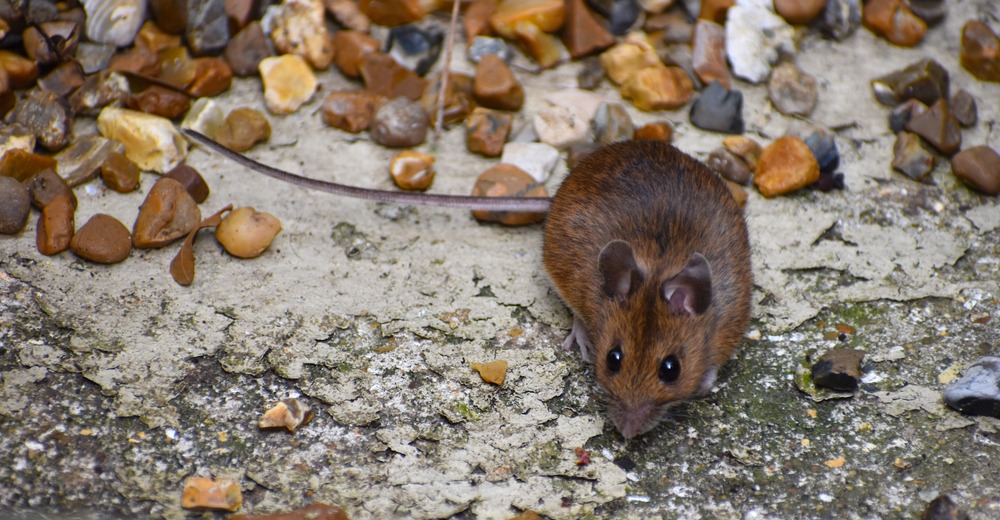
As temperatures drop across Maryland, mice start looking for somewhere warmer to ride out the cold. Unfortunately, that “somewhere” is often your attic, basement, or wall voids. A single mouse can slip through an opening the size of a dime, which means even a well-maintained home can have hidden vulnerabilities you haven’t noticed.
At KP Wildlife Control, we inspect Maryland homes year-round and consistently find the same handful of entry points responsible for most rodent intrusions. Before winter sets in, walking your property and checking these seven areas can save you from a much bigger (and more expensive) problem down the road.
Why Do Mice Try to Get Into Homes Before Winter?
Mice are driven indoors by a simple survival instinct: they need warmth, shelter, and access to food. As outdoor temperatures fall, homes become an attractive alternative to nesting in yards, fields, or wood piles. Once inside, mice reproduce quickly and can cause significant damage to insulation, wiring, and stored belongings. Catching entry points early, before mice establish a presence, is far easier than removing an active infestation later.
1. Foundation Cracks and Gaps
Small cracks in your foundation are one of the most overlooked mouse entry points. Settling, weather exposure, and age can all create gaps that widen over time. Mice are drawn to these openings because they often lead directly into crawl spaces or basements, where it’s dark, quiet, and protected from predators.
Walk the perimeter of your foundation and look for cracks wider than a quarter-inch. Even hairline fractures can expand enough for young mice to squeeze through.
2. Gaps Around Utility Lines and Pipes
Every home has multiple points where pipes, cables, or utility lines pass through exterior walls. These openings are frequently larger than necessary, leaving gaps that mice exploit. Check around:
- Water and gas line entry points
- Electrical conduit openings
- Cable and internet line penetrations
- Dryer vent connections
If you can see daylight around any of these areas, a mouse can likely fit through as well.
3. Damaged or Unscreened Vents
Foundation vents, soffit vents, and attic vents are designed to allow airflow, not animal access. Over time, screens can rust, bend, or detach entirely, creating an open invitation for mice. Inspect all exterior vents for intact screening, and replace any that show signs of wear or damage.
4. Gaps Around Doors and Windows
Weather stripping degrades with age, and gaps under doors or around window frames are common in older Maryland homes. Garage doors are a frequent culprit, especially if the bottom seal has cracked or pulled away from the concrete. Run your hand along the base of exterior doors and window frames to feel for drafts, which often indicate a gap large enough for mice to use as an entry point.
5. Roofline and Soffit Openings
Mice are skilled climbers, and roof lines are an often-overlooked access point. Gaps where the roof meets the siding, damaged fascia boards, and loose or missing soffit panels all create opportunities for rodents to enter attics. Because these areas are elevated, homeowners frequently miss them during a standard walk-around inspection. Binoculars or a closer look from a ladder can help identify problem areas before mice do.
6. Chimneys Without Proper Caps
An uncapped or poorly fitted chimney cap gives mice (and other wildlife) direct access to your home’s interior. Chimneys that lack a secure cap or have damaged mesh screening are particularly vulnerable during colder months, when the chimney’s relative warmth becomes an added draw.
7. Crawl Space Vents and Access Doors
Crawl space vents and access doors are frequently damaged, warped, or left slightly ajar, especially in homes with older construction. Since crawl spaces connect directly to a home’s structural framework, mice that enter here can quickly spread throughout the house. Secure, well-fitted covers on all crawl space openings are essential for keeping rodents out.
What Should You Do If You Find Potential Entry Points?
Finding a gap or crack is only half the solution. Mice can reopen poorly sealed entry points, and DIY fixes like steel wool or spray foam often provide only temporary relief. A thorough, professional exclusion addresses the full scope of vulnerabilities around a property, not just the most obvious ones.
KP Wildlife Control’s exclusion and repair services are designed specifically for this purpose. Our team identifies every potential entry point, performs lasting structural repairs, and ensures your home is properly sealed against mice and other wildlife before winter weather arrives. You can learn more about how this process works on our Exclusions and Repairs page.
Protect Your Maryland Home Before the Cold Sets In
Mice don’t wait for an invitation, and once they’ve found a way in, removing them humanely while repairing the damage they’ve caused takes experience and the right approach. If you’ve spotted any of these warning signs around your home, or simply want peace of mind heading into winter, KP Wildlife Control is ready to help with a fast, thorough inspection and humane solutions tailored to your property.
Contact KP Wildlife Control today to schedule your inspection and keep your home rodent-free all season long.
