
Squirrels in the attic can chew through wiring, insulation, and wood framing, creating fire hazards and costly structural damage within weeks of moving in. The longer they stay, the more expensive the repairs become — which is why fast removal and sealing entry points matters more than most homeowners realize.
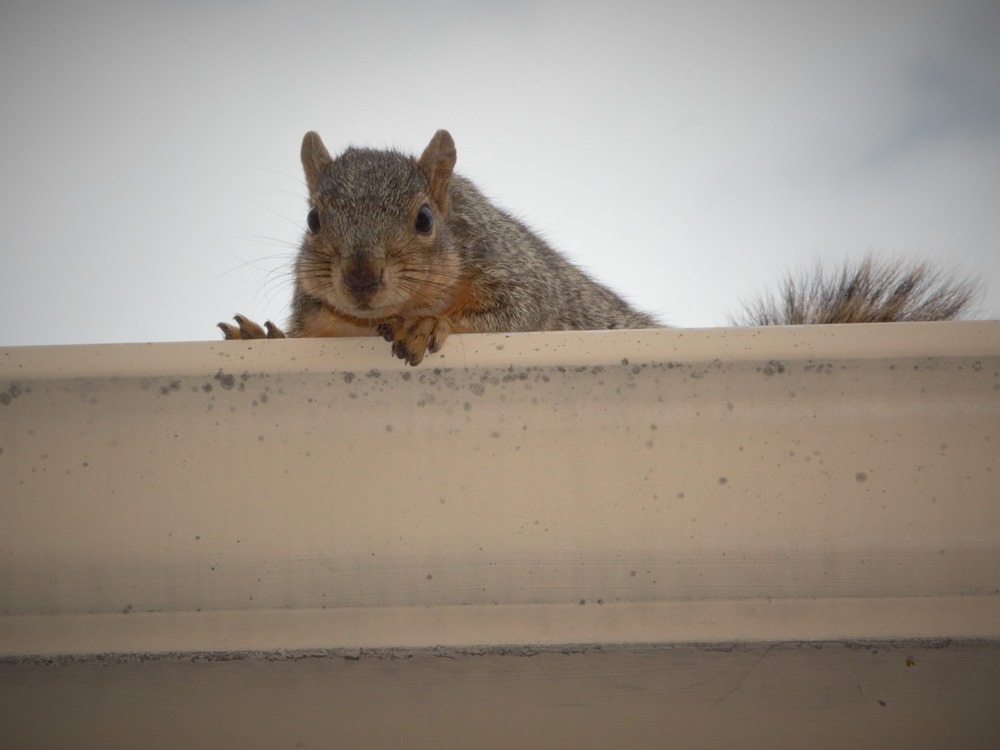
That scratching sound in your ceiling at 6 a.m. isn’t your imagination. If you’ve heard scurrying, scratching, or thumping coming from above your bedroom, there’s a good chance a squirrel has decided your attic makes a better home than the trees outside. And while a squirrel might seem like a harmless nuisance compared to rats or raccoons, the truth is that these rodents can do serious, expensive damage to your home in a surprisingly short amount of time.
If you’re dealing with squirrels in the attic, understanding exactly what kind of damage they cause — and how quickly it adds up — can help you decide how urgently you need professional wildlife removal.
Why Do Squirrels Move Into Attics in the First Place?
Attics offer everything a squirrel needs to survive: shelter from predators, protection from weather, and a quiet, dark space to nest and raise young. Female squirrels especially seek out attics in early spring and again in late summer when they’re preparing to give birth, since the insulation and framing provide warmth and security for their litters.
Attics also tend to go unchecked for long stretches of time. Homeowners rarely inspect their roofline, soffits, or vents regularly, which means a small gap or damaged vent screen can go unnoticed for months — plenty of time for a squirrel to find it, widen it, and move in.
What Kind of Damage Do Squirrels Actually Cause?
Chewed Electrical Wiring
Squirrels are rodents, and like all rodents, their teeth never stop growing. To keep their teeth at a manageable length, they chew constantly on whatever is available — and in an attic, that often means electrical wiring. Exposed wires that get gnawed through can short out circuits, damage appliances, and create a genuine fire risk. This is one of the most serious consequences of a squirrel infestation, and it’s not something to wait out.
Damaged Insulation
Squirrels shred insulation to build nests, and they don’t stop at a small patch. A single squirrel family can compress, soil, and tear apart large sections of attic insulation over just a few weeks. Damaged insulation doesn’t just cost money to replace — it also reduces your home’s energy efficiency, meaning higher heating and cooling bills while the problem goes unresolved.
Structural Wood Damage
Beyond wiring and insulation, squirrels will gnaw on wooden beams, joists, and even roof decking. Over time, this chewing can weaken structural elements and create additional entry points for other pests, including more squirrels looking for the same convenient access.
Contamination From Droppings and Urine
Squirrel droppings and urine accumulate quickly in attic insulation and ductwork, creating odor issues and potential health concerns for homeowners. In some cases, this contamination spreads into HVAC systems, circulating unpleasant smells — and airborne particles — throughout the house.
Entry Point Expansion
A squirrel doesn’t need a large opening to get into an attic. Gaps as small as 1.5 inches are enough for a squirrel to squeeze through, and once inside, they’ll often chew the opening larger to accommodate easier access in and out. This means a minor vulnerability in your roofline can turn into a much bigger structural issue the longer the squirrel remains.
How Quickly Does Squirrel Damage Add Up?
Unlike some pest issues that develop slowly, squirrel damage tends to escalate fast. A nesting female can give birth to a litter within weeks of moving in, which means the longer an infestation goes unaddressed, the more squirrels — and more damage — you’re dealing with. What starts as a single squirrel chewing through a small section of insulation can turn into multiple generations causing damage to wiring, wood, and ductwork throughout the attic.
This is why early action matters. The cost of professional squirrel removal is almost always lower than the cost of repairing extensive electrical, insulation, and structural damage after the fact.
Signs You May Have Squirrels in Your Attic
Homeowners often notice the problem through a combination of sounds and visible signs, including:
- Scratching or scurrying noises, especially early in the morning or at dusk
- Visible chew marks on roofline, soffits, or vents
- Droppings near attic entry points
- Unusual odors coming from vents or ceilings
- Visible entry holes or damaged screening on roof vents
If you’re noticing any of these signs, it’s worth having a professional inspect your attic before the damage — and the squirrel family — grows.
What to Do If You Suspect Squirrels in Your Attic
The most important step is avoiding DIY removal methods that can make the problem worse. Squirrels are quick, resourceful, and will often find new ways into a home if entry points aren’t properly identified and sealed. Removing squirrels without addressing how they got in only invites the next one to move in through the same gap.
A proper wildlife removal process should include locating all entry points, safely removing the squirrels (and any young, if present), and sealing the home against future intrusions. Addressing the root cause — not just the current occupants — is what prevents the cycle from repeating season after season.
Protect Your Home Before the Damage Gets Worse
Squirrel damage rarely stays contained to one small area. The longer squirrels remain in your attic, the more wiring, insulation, and structural wood is at risk — and the more expensive the repair bill becomes. If you’ve heard noises in your attic or noticed chew marks around your roofline, KP Wildlife Control can inspect your home, identify how squirrels are getting in, and handle safe, humane removal before the damage spreads any further. Reach out today to schedule an inspection and protect your home before a small problem turns into a costly one.
