If you want to protect your home from bats, birds, and small animals, the best time to act is before you hear scratching in the attic or find nesting debris in a vent. Wildlife problems often start small. A gap near the roofline, a loose vent cover, or an opening in a crawl space can be enough for animals to get inside and settle in.
For homeowners, the challenge is that these entry points are easy to miss. Bats, birds, squirrels, raccoons, and other small animals do not need much space to invade a home. Once inside, they can damage insulation, contaminate areas with droppings, create odor issues, and raise health concerns. The good news is that there are practical ways to protect your home from bats birds and small animals and reduce the risk of a costly wildlife issue.
Why It Matters to Protect Your Home From Bats, Birds, and Small Animals
Wildlife activity around a home is not always harmless. Animals looking for shelter may enter attics, soffits, chimneys, roof vents, crawl spaces, and wall voids. Once they gain access, they can tear insulation, chew materials, build nests, and leave behind waste.
When you take steps to protect your home from bats birds and small animals, you are doing more than avoiding noise. You are also helping prevent property damage, sanitation problems, and repeat infestations. A small opening today can turn into a larger repair later if animals continue to use it.
Common Entry Points Around the Home
One of the first steps to protect your home from bats birds and small animals is knowing where they usually get in. Most wildlife does not enter through the front door. They use hidden or overlooked parts of the structure.
Rooflines, vents, and soffits
Gaps near the roof edge are common access points. Birds may nest in vents or eaves, while bats can squeeze into narrow gaps along soffits or fascia boards. Damaged vent covers also invite unwanted wildlife.
Crawl spaces and foundation gaps
Small animals often use openings near the ground to get under a home. Loose skirting, damaged crawl space doors, and cracks around the foundation can all create access.
Chimneys, siding gaps, and utility openings
An uncapped chimney is an easy target for birds and other animals. Gaps behind siding or around pipes and utility lines can also allow wildlife to enter walls or attic areas.
Warning Signs of Animal Activity
Another important way to protect your home from bats birds and small animals is to catch problems early. Many homeowners do not realize wildlife is present until the activity becomes obvious.
Sounds, smells, and visible debris
Listen for scratching, rustling, chirping, or movement in walls and ceilings, especially at dawn or dusk. You may also notice droppings, nesting material, strong odors, or greasy marks near openings.
Exterior clues worth checking
Watch for bent vent covers, damaged soffits, loose trim, or holes around the roofline. If you see animals entering and leaving the same area, that is a strong sign the home may already have an access point.
Prevention Methods That Help Keep Wildlife Out
The most effective way to protect your home from bats birds and small animals is to make the property less inviting and harder to enter. Prevention starts with routine inspection and maintenance.
Trim branches and reduce easy access
Tree limbs that touch or hang close to the roof can help animals reach vulnerable areas. Trimming branches back can make access more difficult for squirrels and other climbers.
Keep exterior areas clean and secure
Secure garbage lids, remove outdoor food sources, and clean up fallen fruit or pet food. Wildlife is more likely to stay near a home if food and shelter are easy to find.
Maintain vents and exterior materials
Check vent covers, screens, siding, soffits, and roof edges regularly. Replacing damaged materials quickly can help protect your home from bats birds and small animals before they move in.
Exclusion and Sealing Strategies Matter
If wildlife is already active around the home, sealing holes without a plan can make the problem worse. A safe and effective strategy is essential when you want to protect your home from bats birds and small animals.
Exclusion should come before full sealing
In many cases, animals need to be removed through proper exclusion methods first. This may involve one-way devices or species-specific removal steps that allow animals to leave without getting trapped inside.
Seal all active and potential entry points
Once removal is complete, the next step is sealing gaps, cracks, and openings with durable materials. This part is critical. If even one access point is missed, wildlife may return quickly.
Sanitation Concerns Should Not Be Ignored
A major reason to protect your home from bats birds and small animals is the mess they leave behind. Droppings, nesting debris, urine, and contaminated insulation can affect both the home and the people living in it.
Waste can create odor and health concerns
Animal waste can produce strong smells and attract insects. In attics, crawl spaces, and enclosed areas, contamination may also affect air quality. That is why cleanup is often just as important as removal.
Damaged materials may need attention
Insulation, vapor barriers, and other materials may need to be cleaned, sanitized, or replaced after wildlife activity. Ignoring this step can leave behind lingering odor and ongoing problems.
Seasonal Changes Increase Wildlife Risk
Homeowners should also know that wildlife pressure changes throughout the year. To protect your home from bats birds and small animals, it helps to think seasonally.
Spring and summer nesting activity
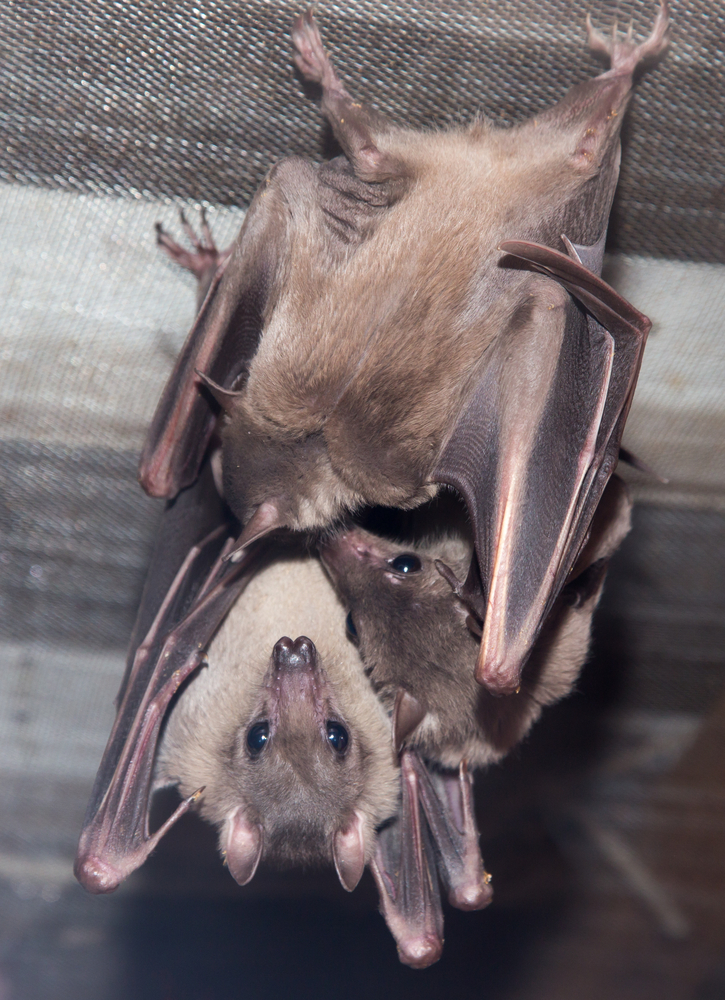
Birds and bats often become more active during nesting and maternity seasons. Animals may search for quiet, protected spaces to raise young, which makes attics and vents attractive.
Fall and winter shelter seeking
As temperatures drop, small animals often look for warmth. That is when squirrels, rodents, and other nuisance wildlife may push into rooflines, crawl spaces, and wall voids.
Routine inspections before these seasonal shifts can help catch weak spots early.
Protect Your Home With Help From K.P. Wildlife
The best way to protect your home from bats, birds, and small animals is to act early, inspect carefully, and use the right exclusion and sealing methods. From roof vents and soffits to crawl spaces and chimneys, small openings can lead to major problems if they are left unaddressed.K.P. Wildlife helps homeowners find entry points, remove nuisance wildlife safely, and secure homes against future invasions. If you have seen warning signs or want to stop wildlife problems before they start, contact K.P. Wildlife today to help effectively protect your home from bats birds and small animals.
