When strange noises echo through your home at night, it’s easy to dismiss them as normal house sounds. In reality, those disturbances are often the first warning signs of wildlife intrusion. Across Maryland, animals such as squirrels, raccoons, and bats regularly seek shelter inside attics and wall cavities, especially as outdoor temperatures fluctuate. These animals are not just a nuisance—they can damage insulation, wiring, and structural components while introducing serious health risks. Recognizing the early indicators of wildlife activity can make a significant difference in protecting your home.
Persistent Noises From Above or Within Walls
Unexplained sounds are often the first clue that animals have moved in. Light scurrying or scratching during daylight hours commonly points to squirrels, while heavier thumps, dragging sounds, or growling noises at night are often associated with raccoons or opossums. Fluttering or chirping near vents may indicate birds or bats attempting to nest. These sounds typically follow predictable patterns tied to the animal’s activity cycle, making timing an important clue.
Visible Droppings and Staining
Wildlife rarely goes unnoticed for long once waste becomes visible. Droppings found in attics, crawlspaces, or near entry points are a strong indicator of ongoing activity. Over time, urine can soak into insulation and ceilings, leaving yellow or brown stains and creating unpleasant odors. Beyond property damage, animal waste poses serious health concerns and should never be handled without proper protection.
Damaged Insulation and Nesting Areas
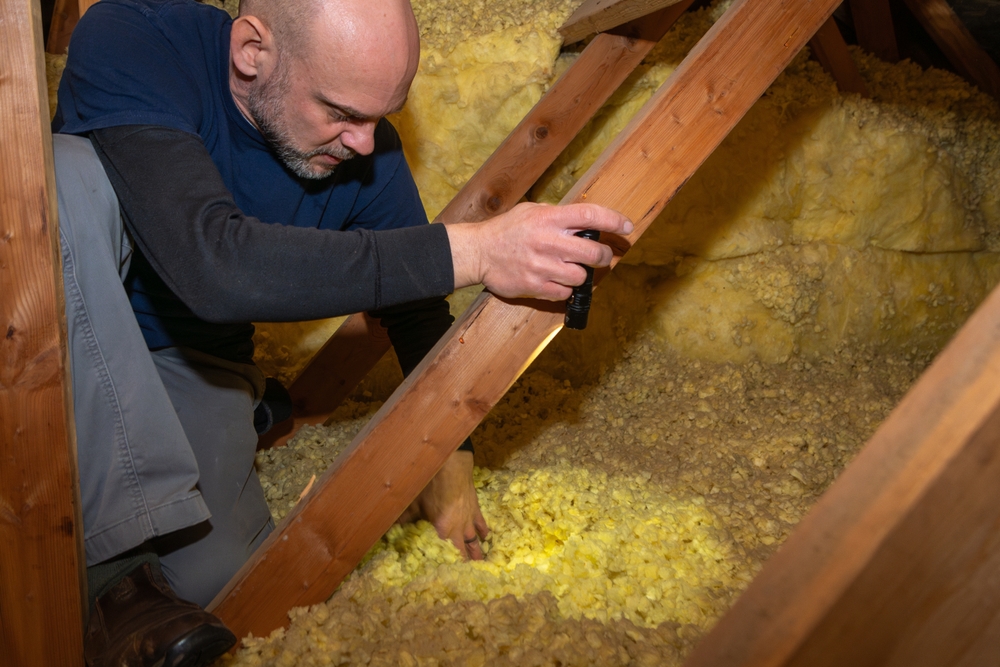
Animals don’t simply occupy attic spaces—they modify them. Insulation is often torn apart or compressed to create nesting paths and bedding. Leaves, twigs, shredded paper, and fabric are frequently brought inside, signaling active nesting. When insulation is disturbed, it loses effectiveness, which can lead to higher energy bills and uneven indoor temperatures.
Chewed Wiring and Structural Damage
One of the most dangerous signs of wildlife presence is damage to essential building components. Rodents and squirrels gnaw continuously, often targeting electrical wiring, wood framing, and ductwork. Exposed wiring increases the risk of electrical shorts and house fires, making this type of damage especially urgent to address.
Changes in Pet Behavior
Household pets are often the first to sense wildlife activity. Dogs and cats may fixate on walls or ceilings, bark excessively, or appear agitated in specific areas of the home. Their heightened senses allow them to detect sounds and odors humans cannot, making behavioral changes an important warning sign.
Protect Your Home Before Damage Escalates
Wildlife problems rarely resolve on their own. The longer animals remain inside your home, the greater the damage and health risks become. Early identification allows for humane removal and proper repairs before minor issues turn into major expenses.
If you suspect wildlife activity in your attic or walls, K.P. Wildlife Control is ready to help. We provide thorough inspections, safe removal, and long-term exclusion solutions throughout Maryland to keep your home protected.
Ready to evict your unwanted guests? Contact us to schedule your professional wildlife inspection today.
