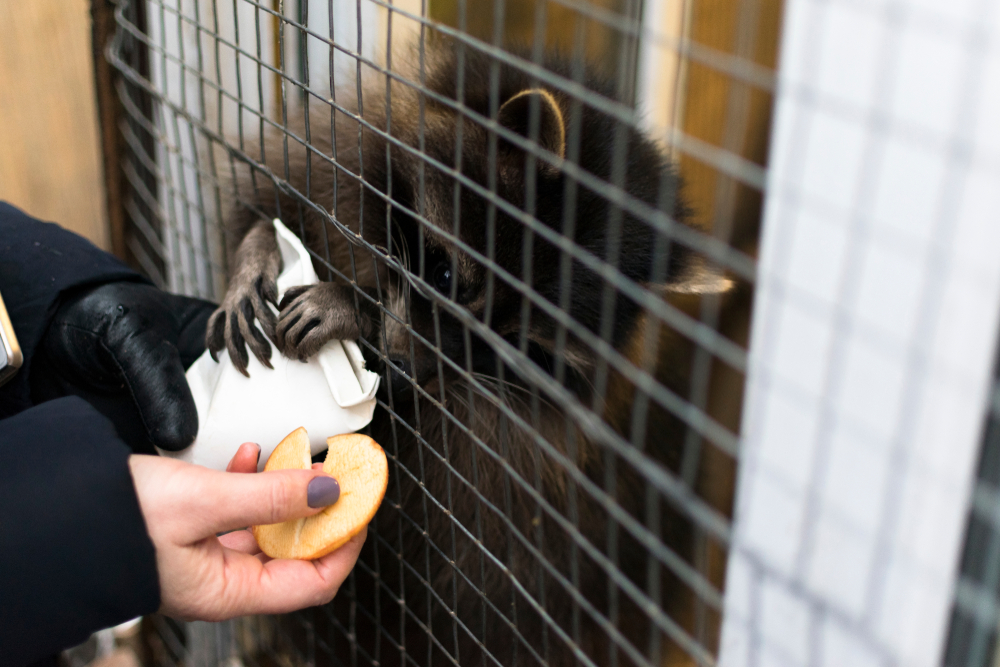
Raccoons may look harmless from a distance, but once they enter a home, they quickly become a serious problem. In Maryland’s wooded suburban communities, raccoons regularly seek shelter in attics, crawlspaces, and chimneys where warmth and safety are guaranteed. These animals are strong, highly intelligent, and extremely protective of their territory—especially when young are present. Attempting to remove them without proper training can put homeowners at risk of injury, property damage, and legal trouble. At K.P. Wildlife Control, our team combines more than 20 years of wildlife control and construction experience to ensure removals are handled safely, legally, and permanently.
Understanding what makes raccoon removal dangerous helps explain why professional intervention is essential.
Health Risks That Should Never Be Ignored
Raccoons are classified as a rabies-vector species in Maryland, meaning they are among the most common carriers of rabies in the region. Even indirect exposure can be dangerous, as raccoon droppings often contain parasites such as roundworm that can remain active in insulation and soil for years. Professional removal requires protective equipment and proper sanitation procedures to prevent exposure to harmful pathogens that threaten both human and pet health.
Legal Restrictions on Raccoon Removal
Maryland wildlife laws strictly regulate how raccoons may be handled. Relocating a trapped raccoon to another area is illegal and often leads to the animal’s death or the spread of disease. Licensed wildlife professionals follow state regulations that require raccoons to be released a certain way after exclusion or humanely euthanized when necessary. Compliance with these laws protects homeowners from fines and ensures ethical wildlife management.
The Hidden Dangers of DIY Trapping
Homeowners often underestimate how aggressive raccoons can become when cornered. Improper traps can result in injured animals, property damage, or serious bites and scratches. Even more concerning is the risk of separating a mother raccoon from her babies. When kits are left behind in walls or attics, they eventually die, creating severe odor issues and secondary infestations that are far more costly to resolve.
Why Exclusion Is the Real Solution
Removing a raccoon without sealing entry points almost guarantees another animal will return. Raccoons follow scent trails left behind by previous occupants and can exploit openings only a few inches wide. Professional exclusion focuses on identifying and reinforcing every vulnerable area of the structure using durable materials that withstand repeated attempts to re-enter. This approach stops the cycle rather than temporarily delaying it.
Cleaning and Restoring Contaminated Areas
Once raccoons are removed, the damage they leave behind must be addressed. Attics and crawlspaces are often contaminated with waste, urine, and damaged insulation. Proper remediation includes removing contaminated materials, deodorizing affected areas, and restoring insulation to maintain air quality and energy efficiency. Skipping this step leaves behind odors and biological hazards that attract future wildlife.
Protect Your Home the Right Way
Raccoon removal is not a quick fix—it is a process that requires safety expertise, legal knowledge, and structural repair skills. Choosing a professional ensures your home is restored to a clean, secure condition without unnecessary risk.
If you suspect raccoon activity in your attic or crawlspace, the team at K.P. Wildlife Control is ready to help. We provide thorough inspections, humane removal, and permanent exclusion services throughout Maryland.
Ready to reclaim your home from raccoons? Contact us to schedule your professional inspection today.
