
Muskrats may seem like harmless wetland dwellers, but when they make themselves at home near residential or commercial properties, they can cause serious damage. From undermining foundations to damaging ponds and waterways, these semi-aquatic rodents are more than just a nuisance—they’re a threat to your land and structures.
If you live near a body of water like a pond, stream, or marshy area, it’s important to stay alert for signs of muskrat activity. Here’s how to know if you may be dealing with a muskrat infestation—and why professional wildlife removal is key to protecting your property.
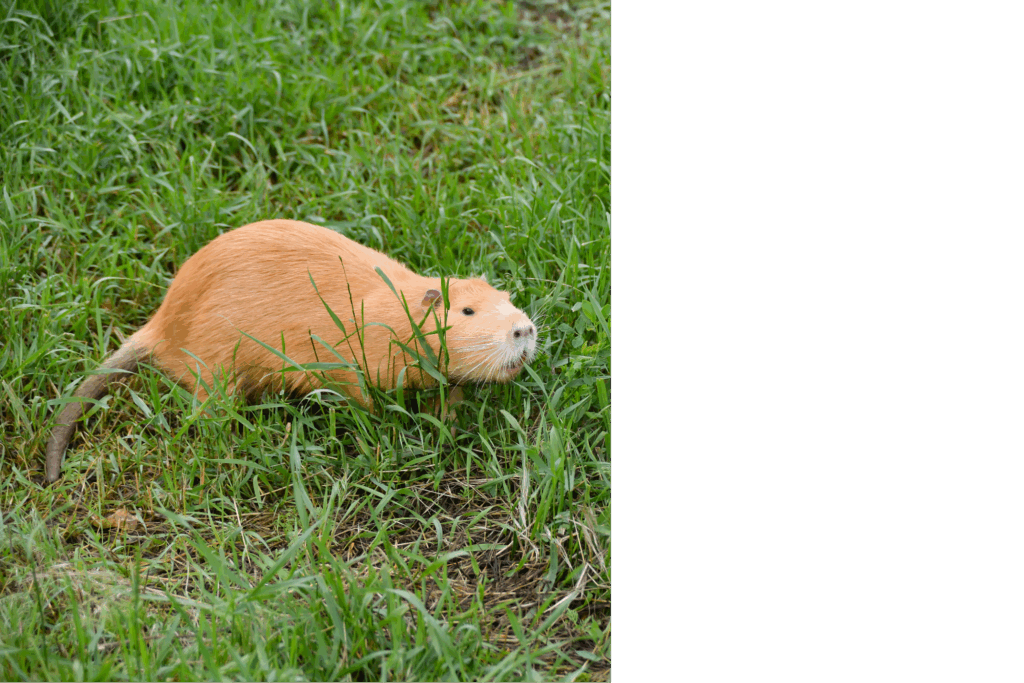
What Are Muskrats?
Muskrats are medium-sized rodents that thrive in freshwater environments. They resemble large rats with long, scaly tails and are typically active at night. Known for their burrowing behavior, muskrats dig complex tunnel systems along shorelines to build dens, often causing erosion and property damage in the process.
1. Burrow Holes Near Water Sources
One of the most common signs of a muskrat problem is the presence of holes or burrows along the banks of a pond, lake, or stream. These entry points may look like small, half-submerged holes in the soil and are often located close to the waterline. Over time, muskrat burrows can weaken embankments and cause sinkholes or collapses.
2. Eroding Shorelines or Embankments
If your once-stable shoreline or pond edge is starting to give way, muskrats may be the culprits. Their burrowing weakens soil structure, causing erosion and instability. You may notice collapsing sections of bank, standing water where it shouldn’t be, or soft, uneven ground around water sources.
3. Chewed Vegetation and Crop Damage
Muskrats are herbivores, and their diet consists mostly of aquatic plants, grasses, and crops. If you’re seeing chewed stalks, missing aquatic plants, or damaged vegetable gardens, muskrats may be feeding in your area. They tend to leave behind clean-cut vegetation and can quickly decimate plant life near the water.
4. Strange Trails or Pathways in the Grass
Muskrats travel from the water to their feeding areas and dens, often creating visible runways or trails through vegetation. If you see worn paths through tall grass or reeds leading to the water’s edge, it could indicate frequent muskrat activity.
5. Spotting the Muskrats Themselves
Muskrats are often active during early morning or evening hours. You may spot them swimming with just their heads above water or sitting on logs and rocks near the waterline. If you see one, there are likely more nearby—they breed quickly and can quickly establish a sizable population.
Why Professional Muskrat Removal Matters
Muskrats might look cute, but their presence can lead to major property issues, especially if left unchecked. DIY solutions often fail to address the full extent of the infestation, and traps can be unsafe or ineffective if not handled properly.
At K.P. Wildlife, we provide licensed, humane, and efficient muskrat removal services that help you protect your land and prevent future issues. Our team will:
- Assess the damage and determine muskrat entry points
- Safely trap and remove muskrats from your property
- Offer strategies to deter future infestations
- Repair or advise on erosion and structural damage caused by burrowing
Don’t Let Muskrats Undermine Your Property
If you’ve noticed any of these signs or suspect muskrats may be active near your home or commercial space, it’s time to act. Let the professionals at K.P. Wildlife handle the problem quickly and safely.
Contact us today for a property inspection and customized wildlife control plan.
