Several common Maryland wildlife species—including raccoons, bats, skunks, snakes, squirrels, and opossums—pose serious health and safety risks when they enter homes. Professional removal is essential because these animals carry diseases like rabies and hantavirus, cause structural damage, and are often protected by law. Attempting DIY removal can be dangerous and legally problematic.
A scratching sound in the attic at 2 a.m. A skunk waddling under your deck. A bat looping through your living room. Most Maryland homeowners encounter wildlife at some point—and many make the costly mistake of ignoring it, or worse, trying to handle it themselves.
The reality is stark: wildlife infestations are not just a nuisance. They are a genuine threat to your health, your property, and your family’s safety. Rodent damage alone is estimated to contribute to 20–25% of house fires with undetermined causes, according to wildlife safety data. And the longer an animal stays in your home, the more expensive and complex the removal becomes.
At K.P. Wildlife Control, our team of trained specialists serves homeowners throughout Maryland—from Annapolis and Baltimore to Kent Island and Anne Arundel County—with humane, professional animal removal that addresses the problem at its source. Here are six critters that should never be handled without expert help.
Raccoons: Intelligent, Destructive, and Potentially Deadly
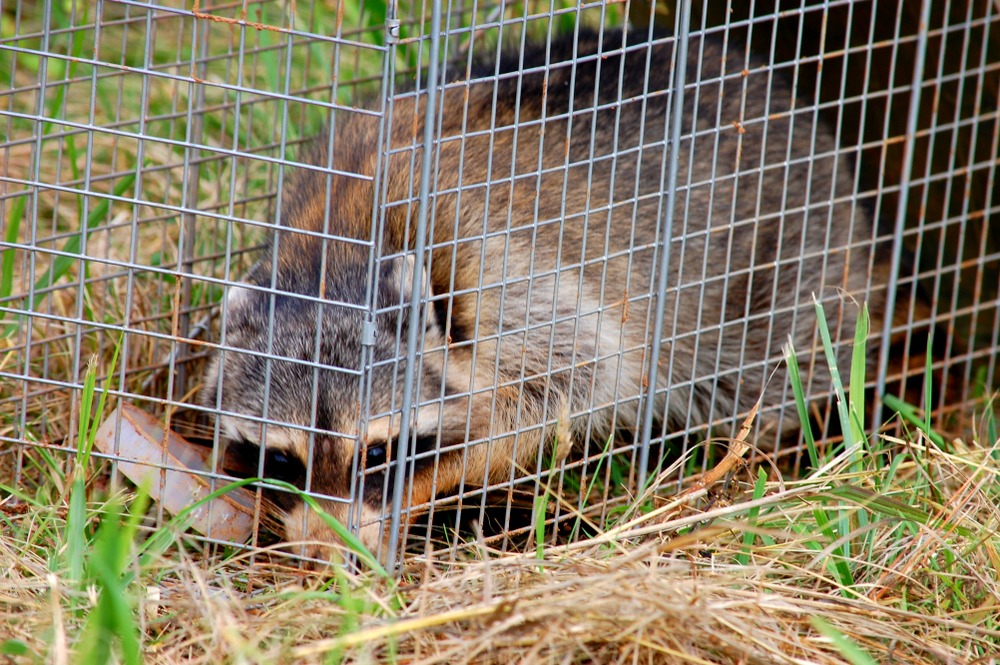
Raccoons are resourceful animals. That’s exactly what makes them dangerous. They tear apart roof shingles to create entry points, shred attic insulation, and chew through wooden beams. A single raccoon family in your attic can cause structural damage requiring repairs of $10,000 or more.
Beyond the property damage, raccoons are one of the most common carriers of rabies in the United States. Their feces can contain Baylisascaris roundworm eggs, which become airborne when disturbed and can cause serious neurological illness in humans. Leptospirosis, a bacterial infection that damages the liver and kidneys, is also transmitted through raccoon urine.
Professional raccoon removal in Maryland typically costs between $400 and $600, according to HomeAdvisor (2026)—a fraction of what structural repairs will cost if the problem goes unaddressed. K.P. Wildlife Control uses humane live trapping and seals all entry points to prevent re-entry.
Bats: A Protected Species With a High-Risk Profile
Bats are legally protected under both Maryland state law and federal regulation, which means removal must follow strict guidelines. Attempting to handle bats without proper training can result in legal penalties—and significant health risks.
Bats are the leading source of rabies transmission to humans in the United States, according to the CDC. A bat bite is often small enough to go unnoticed, which makes exposure particularly dangerous. Bat droppings, known as guano, also harbor the fungus Histoplasma capsulatum, which causes histoplasmosis—a respiratory disease that can become life-threatening in people with compromised immune systems.
Bat removal costs range from $230 to $700, but guano cleanup can add an additional $600 to $8,500, depending on the scale of the infestation (HomeAdvisor, 2026). K.P. Wildlife Control uses humane exclusion methods—sealing entry points and installing one-way exits—that comply fully with Maryland regulations.
Skunks: More Than Just a Smell Problem
The odor is the first warning sign. But the real danger from skunks goes much deeper. Skunks are primary carriers of rabies in Maryland and can transmit leptospirosis through their urine. Their habit of digging burrows beneath decks, porches, and foundations can progressively weaken the structural integrity of a building.
Because skunks spray when frightened, any attempt at DIY removal risks triggering a defensive response—potentially exposing a person or pet to both chemical spray and direct contact. Skunk removal by a professional typically runs $300 to $600, and K.P. Wildlife Control handles the trapping, relocation, and entry-point sealing that keeps them from returning.
Snakes: Not Always Harmless, Never Predictable
Maryland is home to two venomous snake species: the Timber Rattlesnake and the Northern Copperhead. While most snakes encountered in residential settings are non-venomous, correctly identifying a species requires professional knowledge. Misidentification can be a life-altering mistake.
Even non-venomous snakes bite when cornered, and any bite carries infection risk. Snakes also enter homes through small gaps in foundations, vents, or crawlspaces—often indicating an underlying pest issue, since snakes follow their food sources (typically mice and rats).
K.P. Wildlife Control provides professional snake removal throughout Maryland, along with an inspection to identify and seal the entry points that allowed access in the first place.
Squirrels: Small Animal, Major Fire Hazard
Squirrels look harmless. Their teeth are not. Squirrels are notorious for chewing through electrical wiring inside attic spaces and walls. Exposed live wires create short circuits that can spark house fires—a risk compounded by the dry nesting materials squirrels typically use. Studies indicate that rodent-related wire damage is a contributing factor in an estimated 20–25% of residential fires with unknown causes.
Beyond fire hazards, squirrels shred insulation for nesting, damage HVAC ducts, and contaminate living spaces with droppings that can carry salmonella. Squirrel removal costs between $200 and $600 in Maryland, depending on the size of the infestation and access complexity.
K.P. Wildlife Control offers comprehensive squirrel removal in Annapolis, MD, and throughout the region—including exclusion services that permanently seal the entry points squirrels exploit.
Opossums: Underestimated and Unsanitary
Opossums are frequently underestimated as a threat, partly because they are sometimes marketed as “beneficial” for tick control. But an opossum nesting beneath your deck or inside your crawlspace is a different situation entirely.
Opossums carry leptospirosis, tularemia, and other bacterial infections transmitted through urine and droppings. They damage property by nesting in insulation and blocking drainage systems. When cornered, they can bite—and while they rarely carry rabies, any wildlife scratch or bite warrants immediate medical evaluation.
Professional opossum removal costs between $250 and $500, and typically includes live trapping, relocation, and preventative sealing to keep them from establishing new entry points.
When You Spot the Signs, Act Quickly
The earlier an infestation is addressed, the lower the cost and the lower the risk. Common warning signs include:
- Scratching or thumping sounds in the attic or walls, especially at night
- Droppings in your attic, basement, or crawlspace
- Damaged insulation, chewed wiring, or gnaw marks on structural wood
- Unexplained odors originating from enclosed spaces
- Visible entry holes or damaged vents on the exterior of your home
Wildlife damage to drywall runs $300 to $900 to repair; insulation replacement costs $1,000 to $2,500; and crawlspace repairs can reach $15,000 in severe cases (HomeAdvisor, 2026). The average professional wildlife removal service costs $402—a clear argument for acting at the first sign of intrusion.
Protect Your Home With Maryland’s Trusted Wildlife Removal Team
K.P. Wildlife Control has been trusted by homeowners across Maryland to handle wildlife problems safely, humanely, and effectively. From raccoon removal in Baltimore to bat exclusion in Annapolis, our team provides comprehensive inspections, humane trapping, entry-point sealing, and exclusion services—all backed by the expertise that Maryland families rely on.
If you’ve noticed signs of wildlife in or around your home, don’t wait. Contact K.P. Wildlife Control at 443-282-5035 or visit kpwildlifecontrolllc.com to schedule a professional wildlife inspection today.
