
Fall attic noises usually signal squirrels, raccoons, or mice seeking shelter before winter. Scratching and light scurrying during the day often points to squirrels, heavy thumping at night suggests raccoons, and rapid pitter-patter along walls indicates mice. Identifying the sound helps determine the right removal approach — and K.P. Wildlife Control LLC recommends professional inspection before sealing any entry points, since trapped animals can cause significant damage.
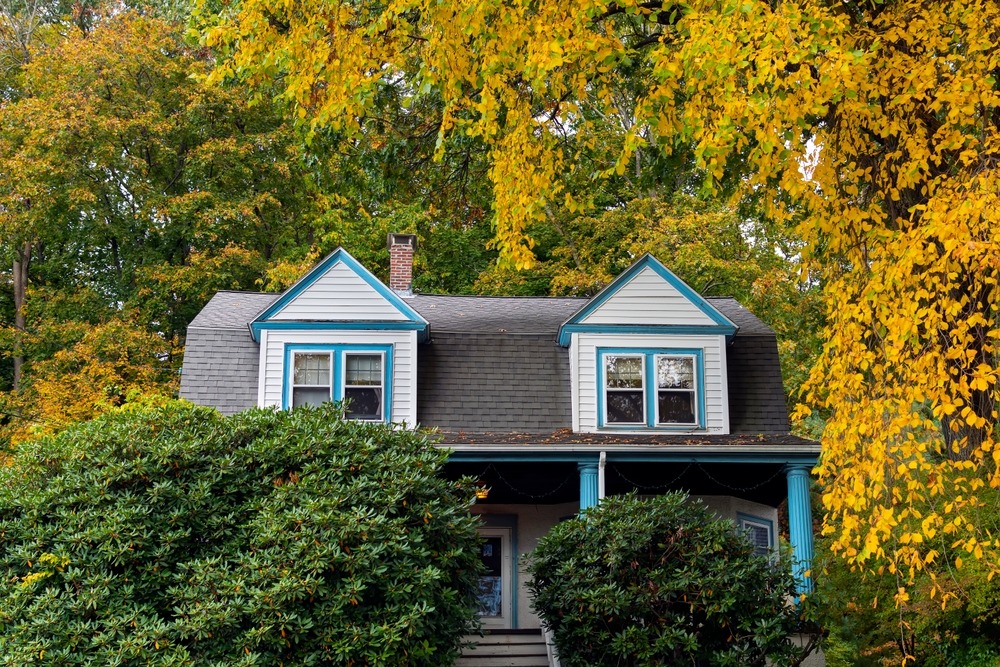
As temperatures drop across Maryland, homeowners often notice something unwelcome moving in overhead. That soft scratching sound at 2 a.m., or the thump of something crossing the attic floor, isn’t your imagination. Fall is peak season for wildlife seeking warm, dry shelter, and attics are one of their favorite destinations.
Knowing what’s living above your ceiling matters. Different animals require different removal strategies, and misidentifying the culprit can lead to wasted time, ineffective solutions, or even encounters with a startled, defensive animal. This guide breaks down the most common sounds associated with fall wildlife intrusions in Maryland attics, helping you narrow down what’s really up there before calling in the experts at K.P. Wildlife Control LLC.
Why Do Animals Move Into Attics in the Fall?
As outdoor temperatures cool, wild animals instinctively search for insulated, predator-free spaces to nest and raise young or simply ride out the colder months. Attics check every box: they’re warm, dry, elevated, and often left undisturbed for weeks at a time. Small gaps in soffits, vents, rooflines, and chimneys give animals easy access, and once inside, they tend to settle in quickly.
This seasonal pattern is why K.P. Wildlife Control LLC sees a noticeable increase in service calls throughout autumn. Recognizing the signs early — before insulation is destroyed or wiring is chewed through — can save homeowners significant repair costs down the road.
What Does It Mean When You Hear Scratching During the Day?
Daytime scratching, light scurrying, or the sound of something rolling nuts or acorns across the attic floor is a classic sign of squirrels. Squirrels are diurnal, meaning they’re active during daylight hours and typically quiet down at night. Homeowners often describe the sound as quick, light footsteps or scratching near the eaves and roofline.
Squirrels are also notorious chewers. If the scratching is accompanied by gnawing sounds, they may be working on wood, wiring, or vent covers to widen an entry point. Left unaddressed, squirrel activity can lead to costly damage to insulation and electrical systems. K.P. Wildlife Control LLC’s squirrel removal services are built specifically around this pattern of activity, offering humane removal along with exclusion work to prevent repeat visits.
What Does It Mean When You Hear Heavy Thumping at Night?
If the noise sounds more like heavy footsteps, thudding, or dragging — especially between dusk and dawn — raccoons are the likely suspects. Raccoons are nocturnal and considerably larger than squirrels, so their movement tends to sound more deliberate and weighty. Homeowners sometimes describe it as sounding like “someone walking around up there.”
Female raccoons frequently seek out attics in fall and winter to den and later raise young, which means an active raccoon problem can escalate quickly if it involves a litter. Raccoons can also be aggressive when cornered, making DIY removal risky. This is one of the most common calls K.P. Wildlife Control LLC receives, and it’s an area where professional, humane handling is especially important for both safety and effectiveness.
What Does Rapid, Light Pitter-Patter Usually Mean?
A fast, light scampering sound — almost like tiny footsteps skittering along walls or in corners — often points to mice or rats. Rodents tend to be most active at night and frequently travel along the same paths repeatedly, which is why the sound often seems to come from the same spot night after night.
Unlike squirrels or raccoons, rodents can squeeze through remarkably small openings, making exclusion a critical part of long-term control. Left unchecked, rodent infestations can multiply rapidly and pose health risks in addition to structural concerns.
Could the Sound Be Coming From Bats or Birds Instead?
Not all attic sounds involve four-legged animals. A faint rustling, chirping, or fluttering — particularly near vents, chimneys, or gable ends — can indicate bats or birds have found their way in. Bats are typically most noticeable at dusk when they leave to feed, while birds nesting in vents often create muffled chirping or scratching sounds concentrated in one specific area, such as a dryer or bathroom vent.
K.P. Wildlife Control LLC’s bird removal services address exactly this scenario, using humane techniques to safely remove birds and nesting material while installing vent covers to prevent future access.
Should You Try to Handle Attic Wildlife Removal Yourself?
Once you’ve narrowed down the likely animal, the next question is what to do about it. While it can be tempting to search for a DIY solution, attic wildlife situations often involve more than just one animal — a squirrel scratching near the roofline today could mean a full nest of young by next week.
Choose professional removal if you’re dealing with raccoons, bats, or any animal that could be nesting with young, since these situations carry higher risk of injury, disease exposure, or improper handling. Choose exclusion and prevention services if wildlife has already been removed and you want to stop repeat entries — this is where sealing gaps, repairing vents, and reinforcing entry points makes the biggest long-term difference.
K.P. Wildlife Control LLC’s trained team is equipped to correctly identify the species involved, safely remove the animals, and repair the entry points responsible for the intrusion in the first place. This combination of removal and exclusion is what prevents the same problem from returning next fall.
Don’t Wait Until the Damage Adds Up
Attic noises rarely resolve themselves. What starts as a single squirrel finding shelter can turn into a family of raccoons, a colony of bats, or a full-blown rodent infestation within weeks. The sooner the animal is identified and removed, the less damage your home sustains — and the less risk to your family’s health and safety.
If you’re hearing scratching, thumping, or scurrying overhead this fall, don’t guess at the cause. Contact K.P. Wildlife Control LLC today to schedule a professional inspection and get a humane, effective solution tailored to whatever has made itself at home in your attic.
